Understanding Match Control in Football
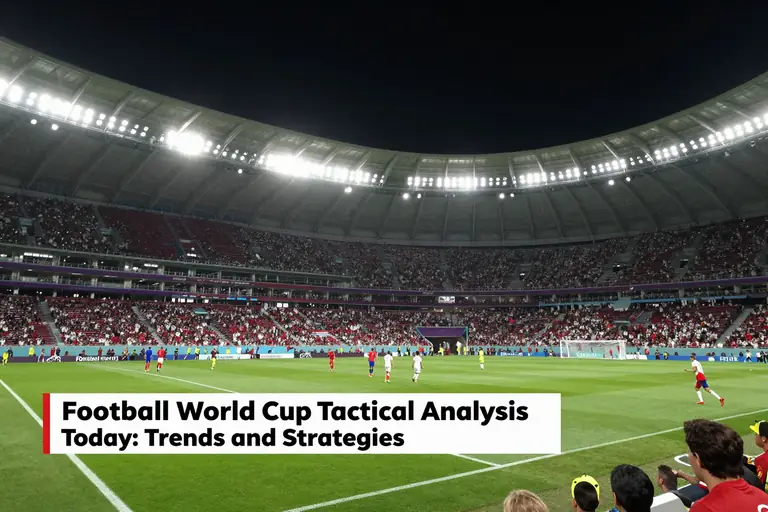
In the high-stakes environment of the Football World Cup, every pass, every tackle, and every strategic decision can alter the course of a match. At the core of successful teams lies effective match control. This isn’t just about possession; it’s about dictating the tempo of the game, limiting the opponent’s opportunities, and creating your own. When a team controls a match, they aren’t merely reacting; they are proactively shaping the flow, forcing the opposition to play on their terms. This involves a delicate balance of defensive solidity and offensive prowess, all orchestrated by the coaching staff and executed by the players on the field.
Our coverage often delves into how top-tier teams achieve this dominance. It’s a blend of individual brilliance and collective understanding, where players anticipate movements, close down spaces, and transition seamlessly between defense and attack. The ability to manage the game’s rhythm, whether by slowing it down to consolidate possession or speeding it up to exploit weaknesses, is a hallmark of World Cup contenders. This often translates into fewer dangerous chances conceded and more opportunities created, which ultimately leads to favorable results.
The Role of Tactical Analysis in World Cup Campaigns
Tactical analysis is the backbone of any successful World Cup campaign. Before a ball is even kicked, coaches and their teams spend countless hours dissecting opponents, identifying strengths, weaknesses, and potential patterns of play. This isn’t just about watching a few games; it involves deep dives into player statistics, formation tendencies, set-piece routines, and even individual player habits. The insights gained from this meticulous preparation directly inform the game plan, influencing everything from starting lineups to in-game substitutions.
During the tournament, this analysis becomes even more crucial. With limited time between matches, teams must quickly adapt. Our site often highlights examples of how tactical shifts at halftime, or even early in a game, have completely changed its complexion. A coach might notice an opponent’s reliance on a certain wing, or a vulnerability in their central midfield, and adjust their team’s shape or pressing intensity accordingly. This real-time adaptation, informed by thorough pre-match analysis, is a key differentiator between teams that progress deep into the tournament and those that falter.
Key Elements of Tactical Approaches
When we examine Football World Cup Match Control and Tactical Analysis, several common themes emerge. Different teams adopt various philosophies, but some core elements are universally valued:
- Possession-Based Play: Teams like Spain or Brazil often prioritize keeping the ball, not just for the sake of it, but to wear down opponents, create openings, and minimize defensive exposure. This requires exceptional passing accuracy and off-the-ball movement.
- Counter-Attacking Football: Other teams, particularly those facing stronger opposition, might cede possession and focus on rapid transitions. They absorb pressure, win the ball back in dangerous areas, and launch quick, incisive attacks. France in recent tournaments has often showcased this effective style.
- High Pressing: A strategy where the team pushes high up the pitch to win the ball back quickly, often in the opponent’s half. This can disrupt build-up play and create immediate scoring opportunities, but it demands high levels of fitness and coordination.
- Defensive Solidity: Regardless of offensive strategy, a strong defense is paramount. This involves organized backlines, disciplined midfield screening, and effective communication to prevent opponents from creating clear chances. Italy’s historic success is built on this foundation.
- Set-Piece Mastery: Corners and free-kicks are often overlooked but can be game-changers. Well-drilled routines, both offensively and defensively, can provide crucial goals or prevent them. Many World Cup matches are decided by a single set-piece situation.
Understanding these tactical nuances helps us appreciate the depth of strategy involved in every World Cup fixture. It’s not just about individual skill; it’s about how those skills are woven into a cohesive team plan.
The Impact of Player Roles and Adaptability
Tactical analysis isn’t just about formations; it’s deeply intertwined with player roles and their ability to adapt. A central midfielder might be tasked with a different defensive responsibility depending on the opponent, or a winger might be asked to track back more rigorously. The best teams have players who are tactically intelligent and versatile, capable of performing multiple roles within a system. This adaptability allows coaches to make subtle in-game adjustments without needing to make substitutions, maintaining the team’s shape and control.
For instance, a modern full-back often needs to be proficient in both defense and attack, providing width and crosses while also shutting down opposition wingers. A striker might be asked to drop deep to link play or press defenders relentlessly. The ability of players to execute these varied instructions is vital for maintaining Football World Cup Match Control and Tactical Analysis and implementing complex tactical plans. Our analysis frequently highlights players who excel in these multifaceted roles, often becoming unsung heroes of their teams.
Coaching Decisions and In-Game Adjustments
The dugout is a crucial battleground during the World Cup. Coaching decisions, from the initial team selection to crucial substitutions, are heavily influenced by tactical analysis. A coach might start a particular player specifically to counter an opponent’s key threat, or bring on an attacking midfielder late in the game to exploit tiring defenses. These decisions are not made in isolation; they are a direct response to the evolving situation on the pitch and the pre-match intelligence gathered.
Consider a scenario where a team is struggling to break down a compact defense. A coach might introduce a more creative playmaker or switch to a two-striker formation to increase their presence in the box. Conversely, if a team is protecting a lead, a more defensive midfielder or an extra center-back might be brought on to shore up the backline. These in-game adjustments, often made under immense pressure, truly test a coach’s tactical acumen and their ability to read the game effectively. The fine margins in World Cup matches mean that one correct tactical tweak can be the difference between victory and defeat.
Looking Ahead: The Evolving Landscape of World Cup Tactics
The game of football is constantly evolving, and so too are the strategies employed at the World Cup. We’re seeing an increasing emphasis on data analytics, sports science, and psychological preparation alongside traditional tactical analysis. Teams are using advanced metrics to track player performance, optimize training loads, and even predict opponent movements with greater accuracy. This scientific approach complements the art of coaching, providing a deeper understanding of the game.
As we look to future tournaments, expect to see even more sophisticated approaches to Football World Cup Match Control and Tactical Analysis. The integration of technology, combined with the timeless principles of teamwork and individual skill, will continue to shape how teams prepare and perform on the grandest stage. Our team remains committed to bringing you the most insightful analysis, helping you understand the strategic battles that unfold in every match.
FAQ
What does “match control” mean in football?
Match control refers to a team’s ability to dictate the pace, flow, and direction of a game, influencing possession, defensive stability, and creating attacking opportunities on their terms.
How is tactical analysis used by World Cup teams?
Tactical analysis involves detailed study of opponents’ strengths, weaknesses, formations, and player tendencies to develop a strategic game plan for specific matches and adapt during the tournament.
What are common tactical approaches in the World Cup?
Common approaches include possession-based play, counter-attacking, high pressing, defensive solidity, and set-piece mastery, often combined or adapted based on the opponent and game state.
How do coaches make in-game tactical adjustments?
Coaches make in-game adjustments by changing formations, making substitutions, or altering player roles and instructions based on how the match is unfolding and their pre-match analysis of the opponent.